Understanding the Importance of Safety Signs in Accident Prevention Around Hazardous Materials

In any workplace where hazardous materials are present, the margin for error is extraordinarily slim. A moment’s confusion or a missed warning can lead to serious injury, long-term health consequences, or even fatalities. Safety signs serve as one of the most fundamental tools in preventing such outcomes, bridging the gap between potential danger and informed human behaviour.
Key points
- Safety signs serve as a crucial first line of defense by providing immediate, visual warnings in hazardous work environments where errors can have severe consequences.
- The use of standardized colors and universal symbols ensures that safety information is communicated instantly, overcoming potential language barriers or noisy conditions.
- Signage categories, including warning, mandatory, prohibition, and emergency signs, provide specific guidance on hazard identification, protective gear requirements, and safety procedures.
- Effective placement is essential; signs must be positioned at eye level and ahead of hazards to allow workers sufficient time to process information and react accordingly.
- Regular maintenance and the prompt replacement of damaged or faded signs are necessary to ensure that safety communications remain clear and reliable.
- Comprehensive training programs and a proactive safety culture are required to ensure employees correctly interpret signage and remain vigilant in their daily tasks.
How Safety Signs Act as the First Line of Defence Against Hazardous Material Incidents
The Role of Visual Communication in High-Risk Environments
When workers enter environments containing hazardous substances, they rely on clear, immediate signals to understand the risks around them. Unlike written instructions or verbal briefings, visual communication through safety signs operates continuously and requires no active engagement from personnel — it simply delivers its message at a glance. This is particularly valuable in noisy industrial settings or situations where language barriers exist among a diverse workforce. A well-designed sign communicates danger, required protective equipment, or restricted access instantaneously, making it an indispensable element of any risk management strategy.
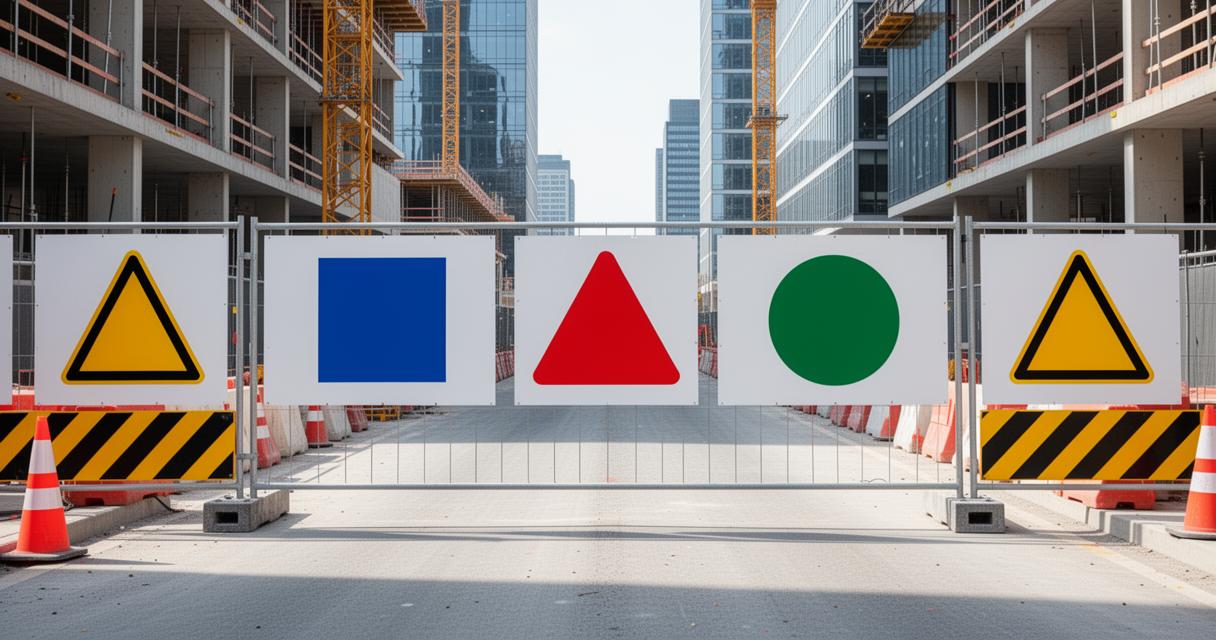
The effectiveness of safety signs lies in their use of universally recognised symbols, colours and formats. Red typically signals prohibition or immediate danger, whilst yellow conveys caution and the presence of chemical or physical hazards. Green is associated with safety information and emergency exits. This colour-coded logic is not arbitrary — it is the result of careful standardisation designed to ensure that meaning is conveyed even before a word is read.

Key types of safety signs used around hazardous materials
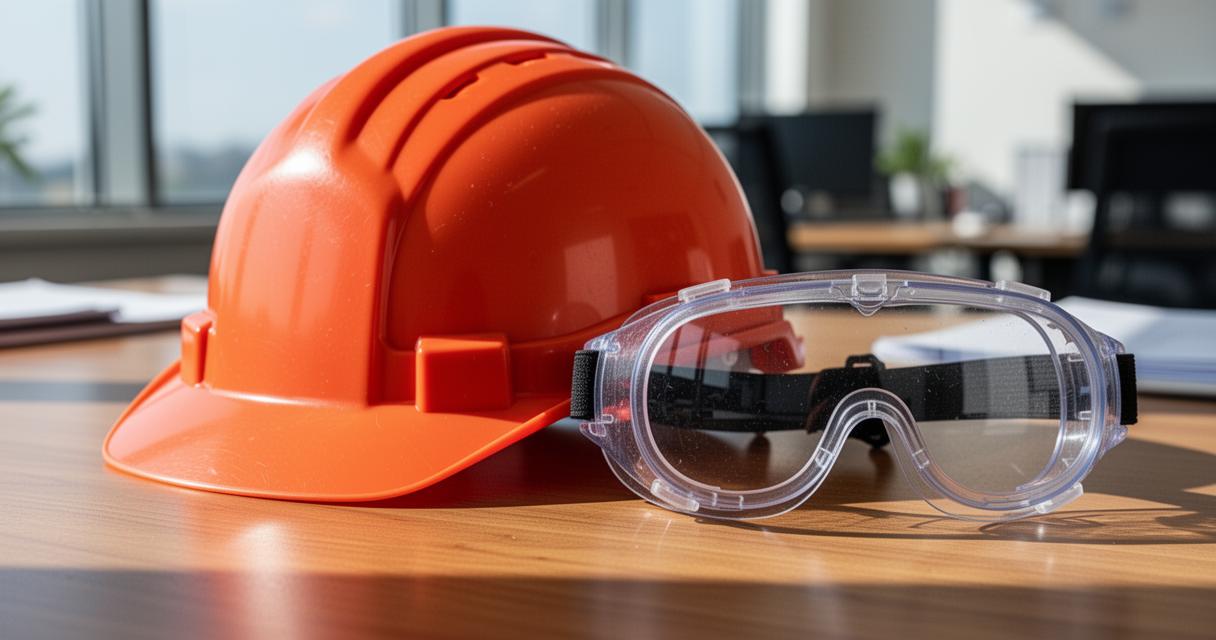
Several distinct categories of safety signage are deployed in environments where dangerous substances are handled or stored. Warning signs alert individuals to the nature of a hazard, such as flammable liquids, toxic chemicals, or corrosive agents. Mandatory signs instruct workers to wear specific personal protective equipment, whether gloves, respiratory masks, or full protective suits. Prohibition signs restrict access or specific behaviours — for instance, forbidding open flames or smoking near volatile materials. Finally, emergency signs direct personnel towards first aid stations, eyewash points, and emergency exits, which are critical in the event of accidental exposure.
Best Practices for Implementing Safety Signage to Reduce Workplace Accidents
Placement and Visibility: Making Safety Signs Effective in Practice
Even the most carefully designed sign fails in its purpose if it is poorly positioned. Effective safety sign placement requires a thorough assessment of the environment, taking into account sight lines, lighting conditions, and the typical movement patterns of workers. Signs should be mounted at eye level wherever possible and positioned ahead of the hazard rather than beside it, giving individuals adequate time to respond. In storage areas, signage must be clearly visible from every point of entry and should not be obscured by shelving, machinery, or other signage.
Equally important is the condition of the signs themselves. Faded, damaged or illegible signs are not merely ineffective — they can actively mislead workers and create a false sense of security. Regular inspection and prompt replacement of worn signage are therefore essential components of a robust workplace safety programme.
Training and awareness: ensuring workers understand hazardous material signage
Safety signs are most effective when they are understood by every individual in the workplace. Training programmes should cover the meaning of each sign type, the specific hazards present in the facility, and the appropriate responses required. New employees should receive this training as part of their induction, and refresher sessions ought to be conducted regularly to account for changes in regulations, new materials introduced to the site, or the arrival of new personnel.
Beyond formal training, fostering a culture of safety awareness is equally vital. When workers actively notice and respect signage — rather than becoming desensitised to it through familiarity — the entire organisation benefits. Encouraging staff to report damaged or missing signs, and recognising those who contribute to maintaining a safe environment, reinforces the message that signage is not merely a regulatory requirement but a genuine and valued layer of protection for everyone on site.